
Almost every patient with a kidney stone asks me the same question: "Doctor, what should I stop eating?" It's a good question — but the answer is not just a list of foods to avoid. Diet matters, but many people make changes that don't actually help.
Here are 10 foods commonly found in Indian kitchens that can raise stone risk, how much may be too much, and one food group you should not cut out.
How food affects kidney stones
Kidney stones don't form after one meal. They form when urine stays concentrated for a long time, allowing minerals to stick together as crystals. These crystals can grow into stones.
Food changes what goes into your urine. Water changes how concentrated it is — and water is the stronger tool.
- About 8 in 10 stones in India are calcium oxalate stones.
- Others are uric acid stones.
- A smaller number are linked to infection or cystine.
That's why this list focuses on oxalate, salt, and purines. Your best diet depends on your stone type — so if you pass a stone or have one removed, try to send it for testing.
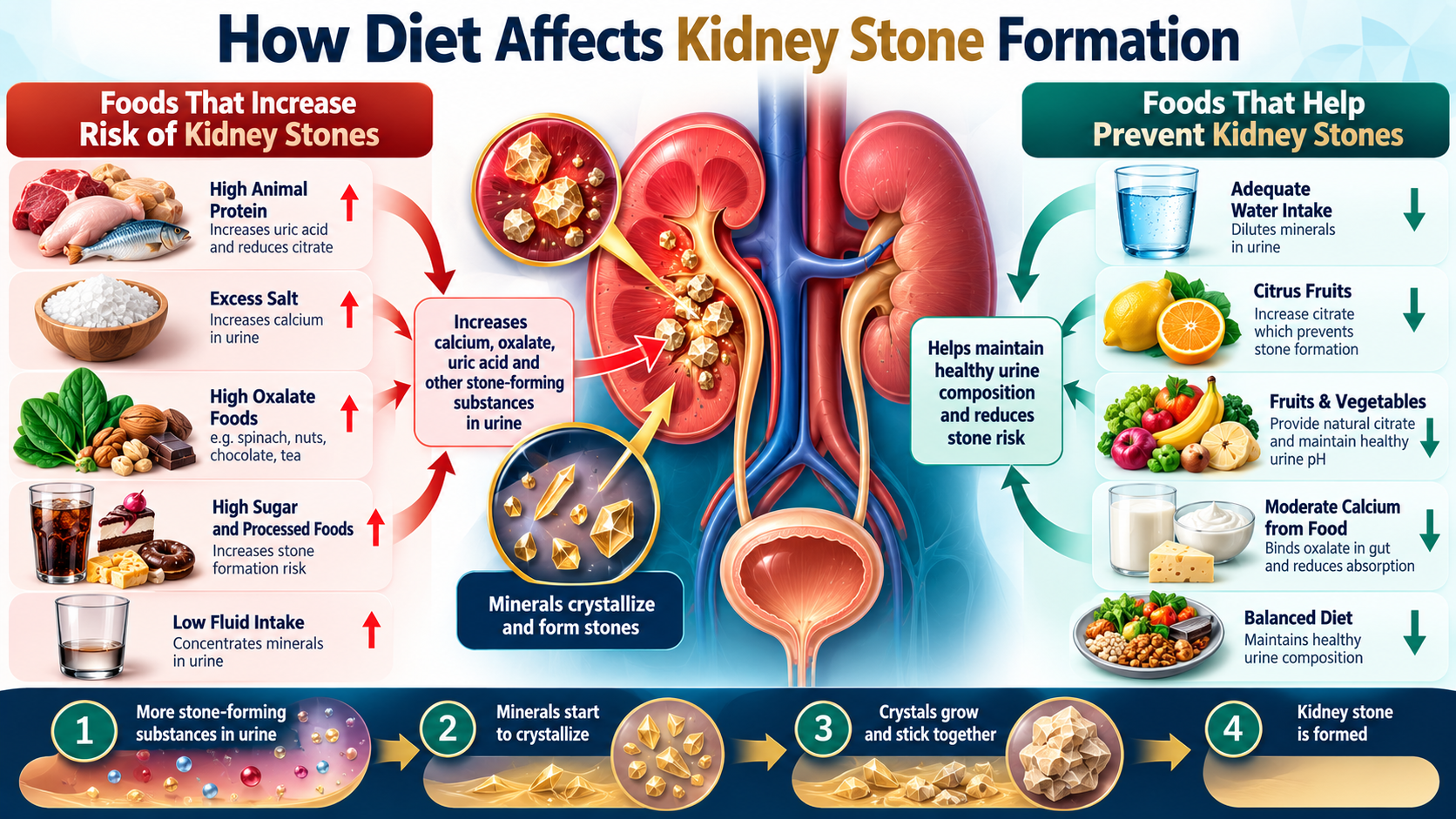
10 foods to watch
Spinach & Other High-Oxalate Greens
Palak (spinach) is very high in oxalate. Chaulai (amaranth leaves) and methi (fenugreek) also add oxalate.
Cook and drain greens, and eat them with curd, milk, or paneer. Calcium in dairy binds oxalate in the gut, so it leaves in stool instead of reaching your kidneys.
Small portions OK — pair with dairyBeetroot
Chukandar is one of the highest oxalate vegetables. Beetroot juice is riskier because several beets go into one glass.
A little beetroot in salad is fine. Daily beetroot juice is not.
Salad OK — skip daily juiceNuts & Seeds
Almonds, cashews, and peanuts are oxalate-rich. Peanut chutney and chikki add up quickly.
A small handful a day is okay. A full bowl while watching TV is too much.
Small handful onlyToo Much Tea
Strong black tea contains oxalate.
Two–three cups a day are fine. Eight–ten cups — especially if replacing water — raise risk.
2–3 cups maxChocolate & Cocoa
Dark chocolate, cocoa drinks, and cocoa powder are all high in oxalate.
Occasional treats are fine. Daily intake is worth rethinking.
Occasional treat onlySoya Products
Tofu, soy chunks, soy flour, and soy milk are oxalate-heavy. Many patients switch to soya thinking it's healthier protein.
For stone formers, dairy and eggs are safer protein choices.
Limit if you form stonesSalt & Salty Foods
Pickles, papad, namkeen, instant noodles, and restaurant food can be very salty. Too much sodium pushes calcium into urine, giving stones more material to grow.
Cutting salt to under 5 g/day often helps more than cutting one vegetable.
Keep under 5 g/dayRed Meat & Organ Meat
Mutton, liver, kidney, and shellfish are rich in purines. Purines break down into uric acid, which can form uric acid stones and worsen calcium oxalate stones. Excess animal protein also lowers citrate, a natural stone inhibitor.
Moderate intakeColas & Sweetened Drinks
Sugary drinks raise calcium, oxalate, and uric acid load. Dark colas also contain phosphoric acid, linked to stone risk.
Fresh lime water with little or no sugar is a better swap.
Best avoidedHigh-Dose Vitamin C Supplements
Extra vitamin C can turn into oxalate.
Vitamin C from fruits like orange or amla is safe. Daily high-dose tablets for months can be risky.
Avoid high-dose tablets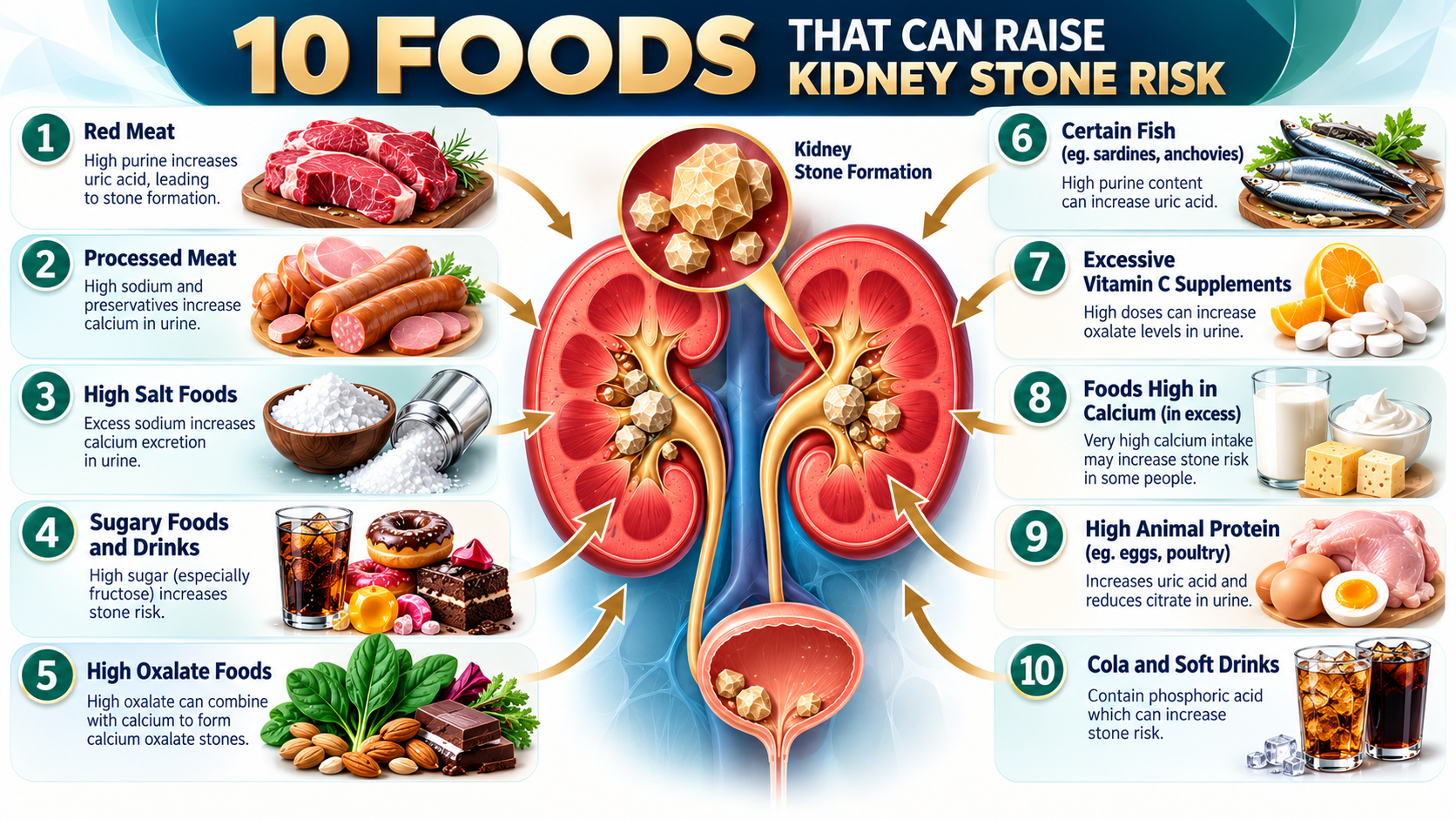
Do not cut out dairy
Patients stop milk, curd, and paneer after hearing "calcium stone." This is the wrong move.
Calcium in food binds oxalate in the intestine, preventing it from reaching the kidney. Very low-calcium diets can actually cause more stones.
Keep normal amounts of dairy with meals — especially when eating high-oxalate foods like spinach.
What actually protects you
Water
Drink enough to keep urine pale.
Citrate
Nimbu pani (lemon water) with little or no sugar helps stop crystals from growing.
Calcium with Meals
Normal dairy intake, especially with high-oxalate foods.
Less Salt
Cook at home; go easy on pickles, papad, and packaged snacks.
Balanced Meals
More fruits and vegetables, moderate animal protein.
Stone Analysis
If you pass a stone, bring it to your urologist for testing.
When to see a urologist
Diet helps prevent stones but cannot treat one already causing trouble. Seek medical care if you have:
- Severe side or back pain in waves.
- Fever or chills with pain — possible infected, blocked kidney (emergency).
- Blood in urine.
- Persistent vomiting preventing fluid intake.
- Recurrent stones despite diet changes.
- A single kidney, transplanted kidney, or diabetes with stone disease.
Fever or chills with stone pain suggests an infected, blocked kidney — a medical emergency. Go to the nearest emergency department immediately.
Common questions
No. Tomatoes are low in oxalate. Seeds do not form stones.
No. Beer won't flush a stuck stone. It may increase urine briefly but can dehydrate you. Beer is also high in purines. Plain water is safer.
Drink enough to pass pale urine throughout the day. In Lucknow summers, most people need more than they think.
It depends on size and position. Small stones may pass with fluids and medicines. Larger stones may need a procedure. Your urologist will decide after a scan.
Conclusion
Diet matters, but it is not about eliminating entire food groups. The strongest tools remain water, less salt, normal dairy with meals, and a balanced plate. If you've had a stone before, get it analysed — the right prevention plan depends on your stone type.
Had a stone? Let's find out why.
Bring your reports (or the stone itself) for a consultation with Dr. Manish Khattar at Medanta Lucknow — and get a diet plan tailored to your stone type.
📍 Medanta Super Speciality Hospital, Sector A, Pocket 1, Sushant Golf City, Lucknow — 2nd Floor OPD, B-Wing, Room 33.
🕘 Mon–Sat, 9:00 AM – 5:00 PM.
Related Articles
Kidney Stones: Symptoms, Causes, Treatment & Prevention
The complete guide — types, diagnosis, treatment options and prevention.
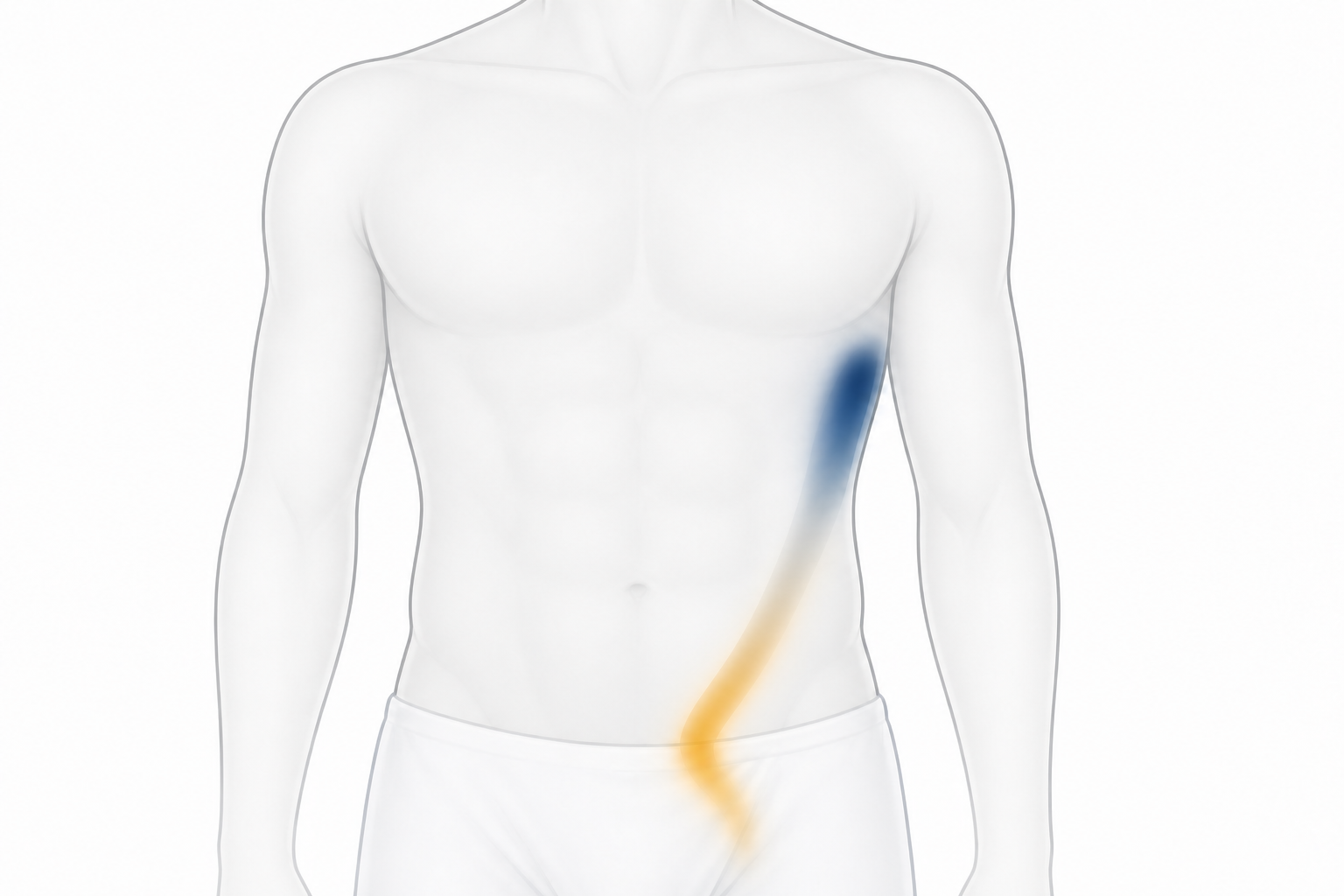
Kidney Stone Pain: Symptoms & Warning Signs
What renal colic really feels like, and when you must reach a hospital.
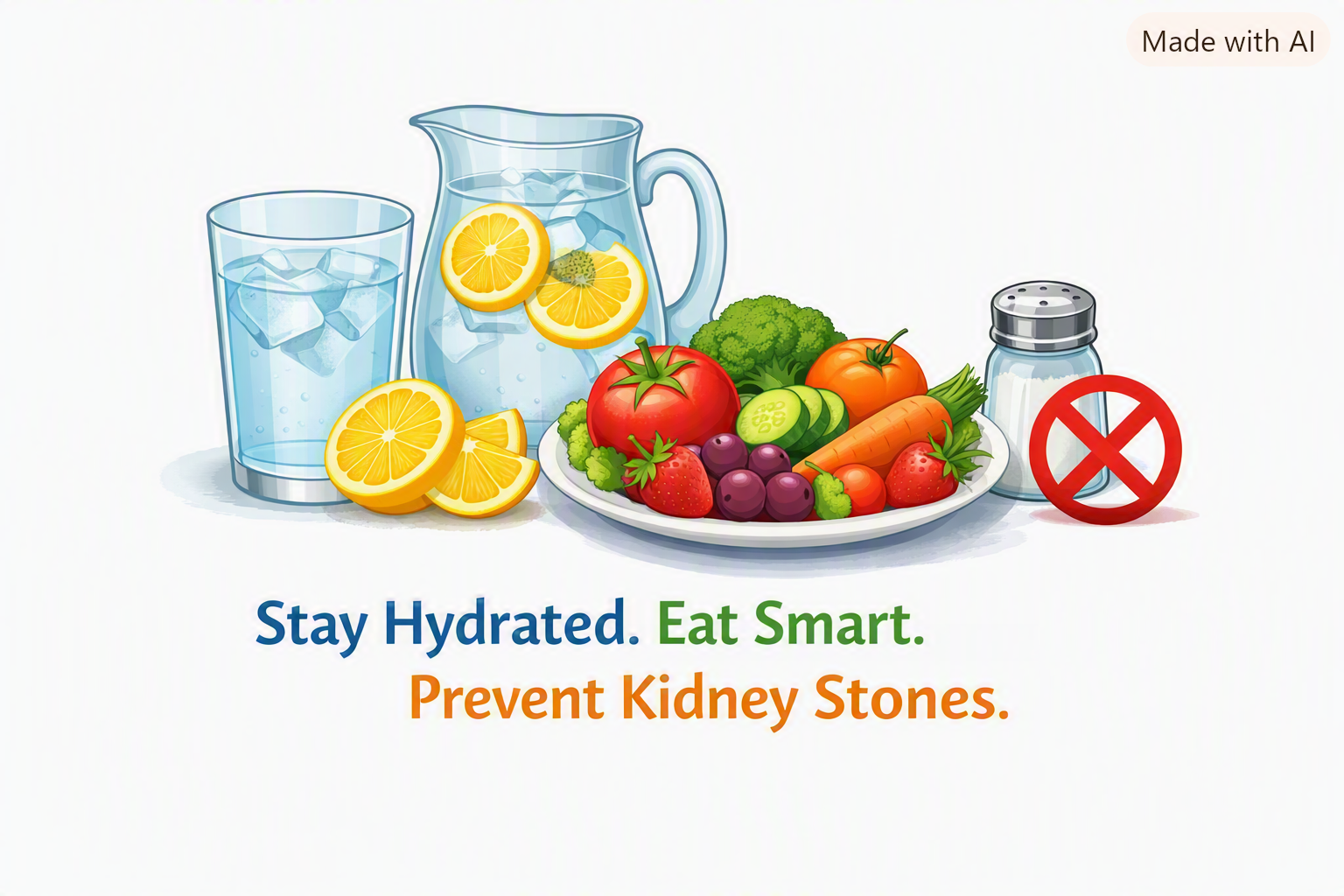
Kidney Stone Treatment: A Complete Guide
Medicine, ESWL, URS, RIRS or PCNL — which one do you actually need?